Metabolic strategies of Enterobacteriaceae in gut colonization
Date: Friday, 8 May 2026
Time: 11am – 12pm
Venue: SBS TR+5 (SBS-01n-25)
Abstract:
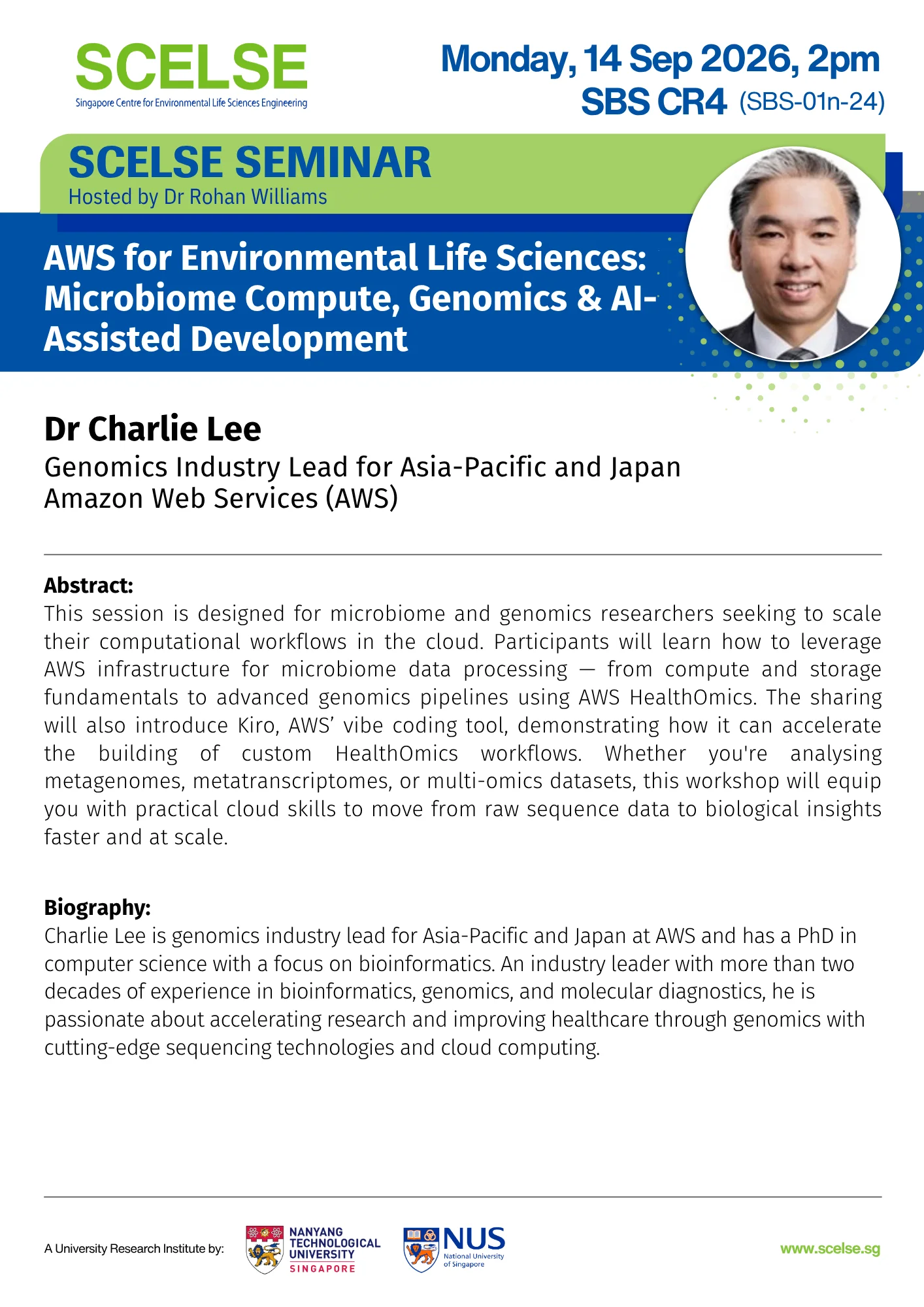
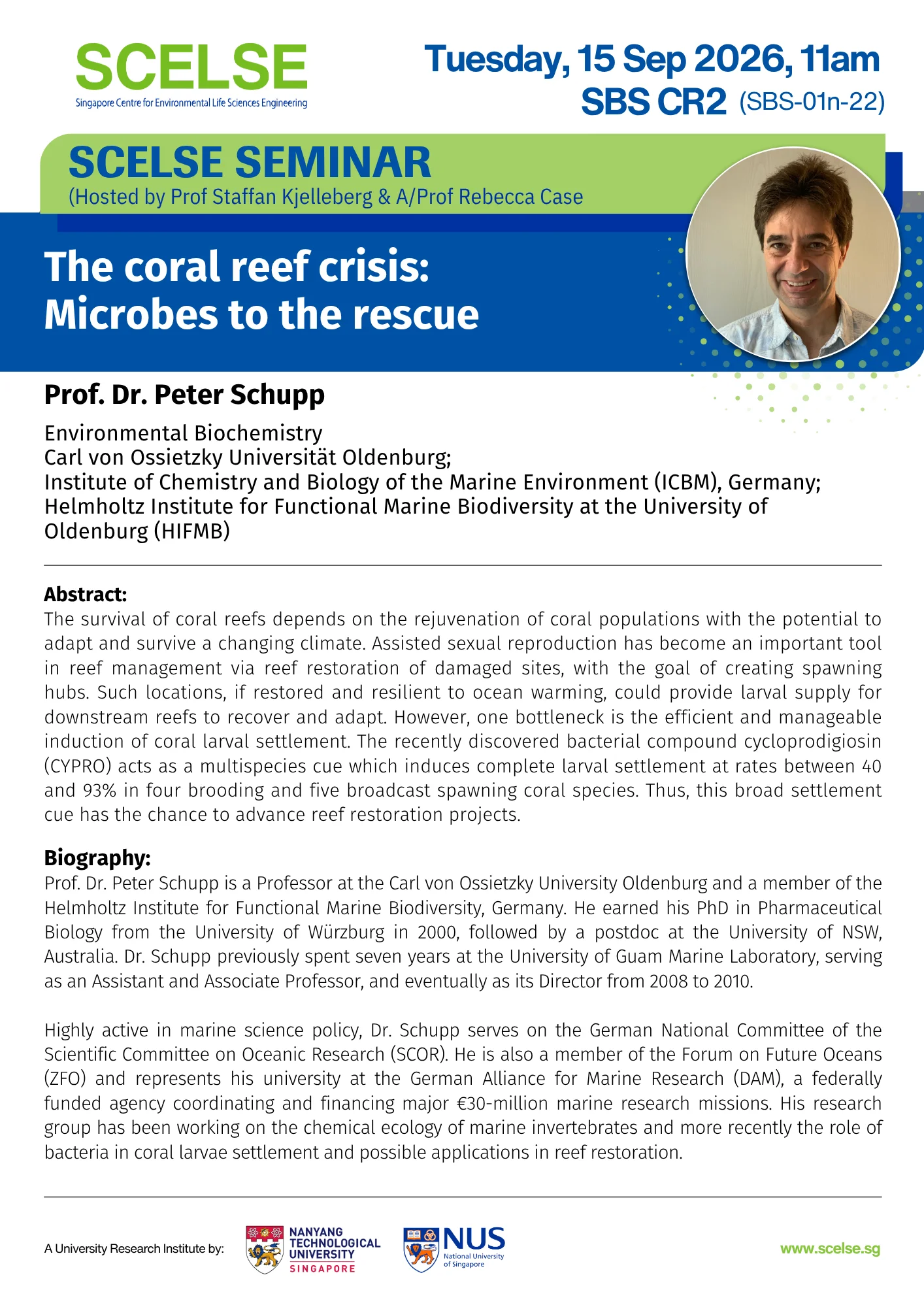
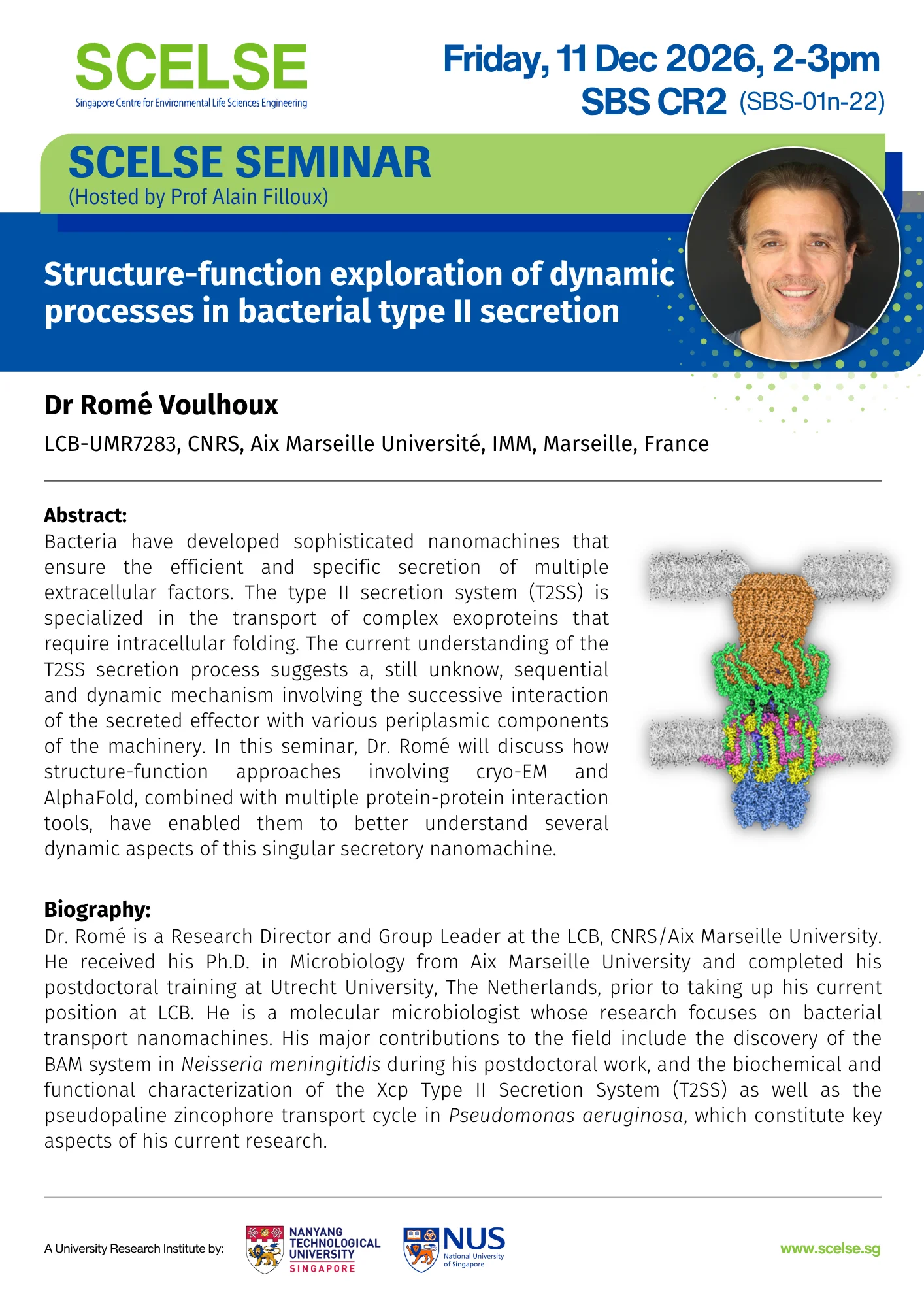
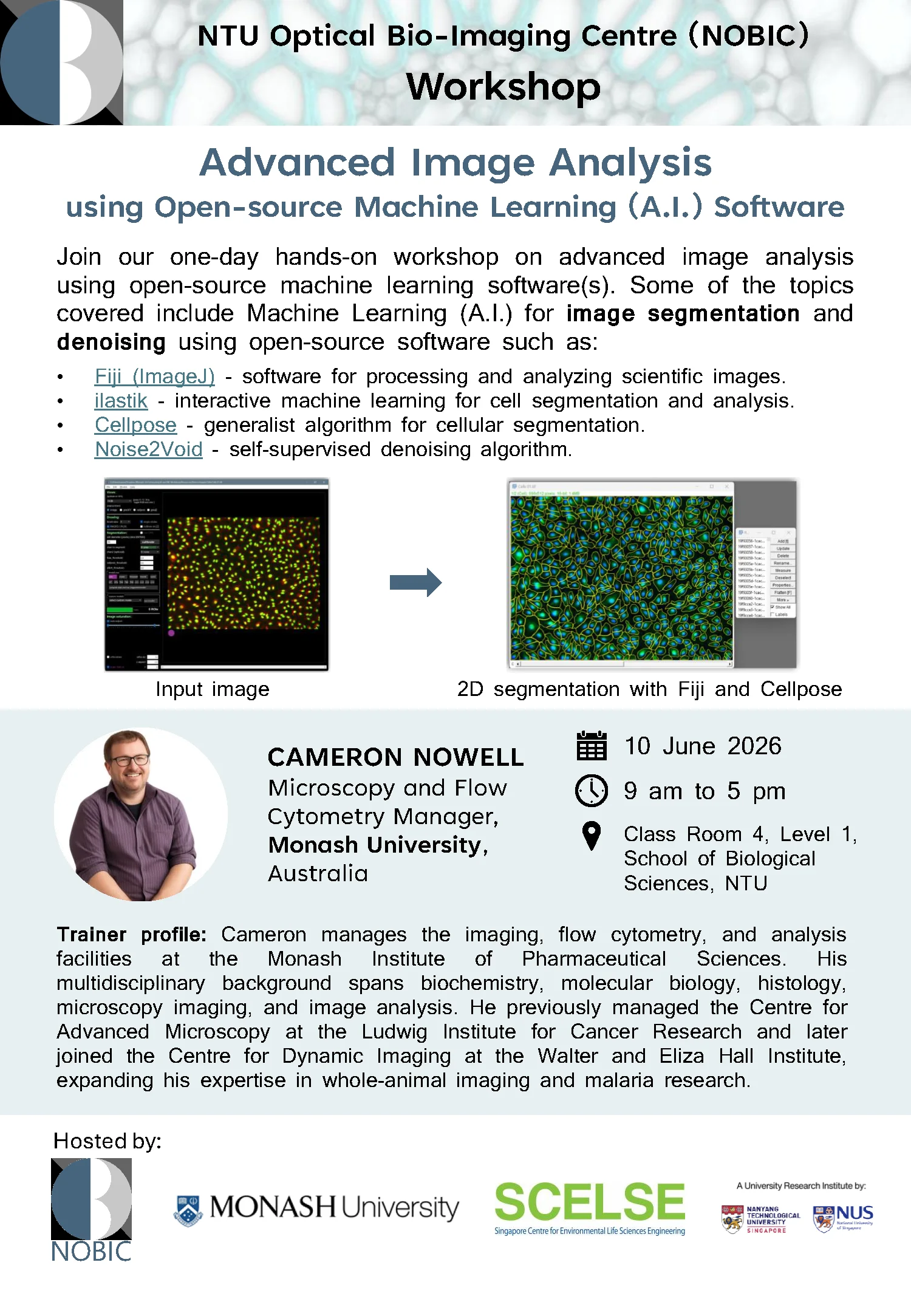
Enterobacteriaceae are facultative anaerobes that include major gut-colonizing pathogens and frequent carriers of antibiotic resistance. In the healthy intestine, they persist at low abundance by utilizing diet- and mucus-derived monosaccharides that fuel glycolysis and mixed-acid fermentation. Inflammation fundamentally reshapes this environment: host derived oxidants generate alternative electron acceptors such as nitrate and tetrathionate, oxygen diffuses into the gut lumen, and create new substrates, including oxidized sugars. This seminar will focus on how metabolic flexibility enables Enterobacteriaceae, particularly Salmonella Typhimurium and Escherichia coli, to exploit these inflammation-induced niches and expand in the gut. I will highlight host-driven processes that generate alternative nutrients, focusing on oxidized monosaccharides such as sugar acids, and discuss how their ecological and metabolic utilization can reveal vulnerabilities to control intestinal pathogen colonization.
Speaker:
Dr Christopher Schubert
Institute of Microbiology
ETH Zurich, Switzerland
Biography:
Christopher Schubert is a postdoctoral researcher at ETH Zurich (Switzerland) in the group of Wolf-Dietrich Hardt, supported by a DFG Walter Benjamin Fellowship. He obtained his PhD in microbiology from Johannes Gutenberg University Mainz (Germany), where he investigated the regulation of carbon and nitrogen metabolism in Escherichia coli. His research focuses on the metabolic strategies that enable Enterobacteriaceae, particularly Salmonella Typhimurium and Escherichia coli, to colonize and expand in the inflamed gut. To address this, he combines mouse infection models, genetic barcoding approaches, and systems-level analyses to define how pathogens exploit nutrient niches during infection and how these processes can be targeted to limit their expansion.